

Emergency Hospital in Sharjah
Specialists
 Dr. Abdelhalim MohamedBook appointment
Consultant Critical Care Medicine
- Dr. Atta Mohammed Al-JbourBook appointment
General Practitioner, Emergency
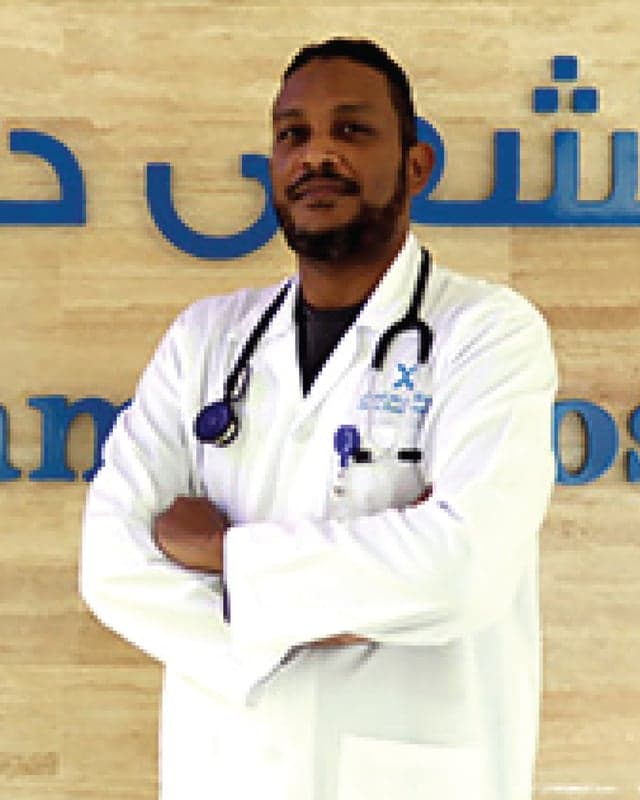 Dr. Hisham Hassan ElhajBook appointment
General Physician
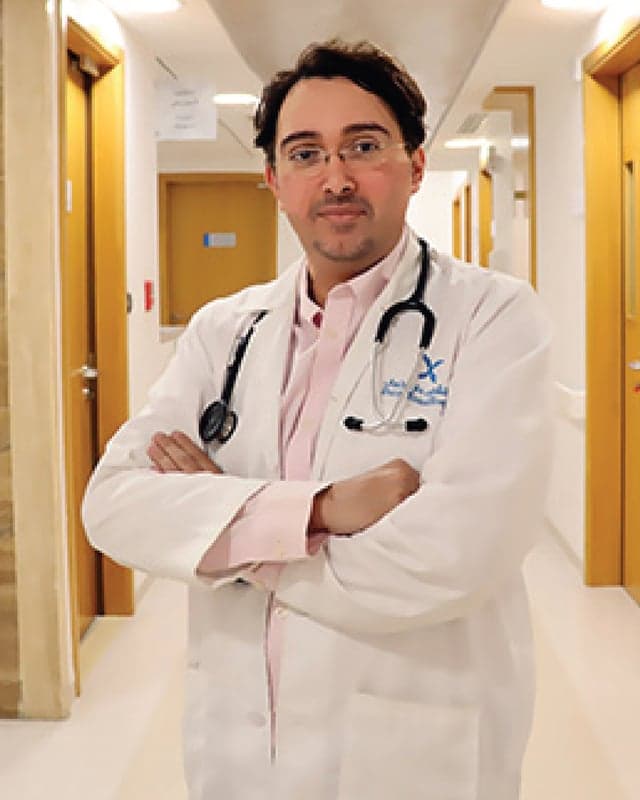 Dr. Mohamed El DasherBook appointment
General Physician
Medically reviewed by Dar Al Kamal Team
When should you come to the emergency department?
The emergency department at Dar Al Kamal Hospital, Sharjah is open 24 hours a day, seven days a week, for problems that are serious, sudden or getting worse. Come in, at any hour, if you have any of the following:
- Chest pain, chest tightness or pain spreading to the arm, jaw or back
- Difficulty breathing, or breathing that is getting harder
- Sudden weakness or numbness on one side of the face or body, a drooping face, or slurred speech
- Severe pain anywhere that came on suddenly and will not settle
- Bleeding that does not stop with firm pressure
- A deep wound, a possible broken bone, or an injury from a fall or road accident
- A high fever with drowsiness, a stiff neck, or a rash that does not fade under pressure
- A sudden severe allergic reaction, with swelling of the lips or tongue or trouble breathing
- Vomiting blood, or passing black or bloody stools
- Confusion, a fainting episode, or a fit
If you are unsure and it is the middle of the night, it is reasonable to come. Staff would rather see you and reassure you than have you wait at home with something serious.
When is a clinic appointment the better choice?
Many problems are dealt with better, faster and more thoroughly at a booked clinic appointment than by waiting in an emergency queue. The emergency department is built to deal with what is urgent, not to work through a long-standing complaint, and a problem that has been present for weeks is usually served better by a doctor who has time to examine you properly and arrange follow-up.
A clinic appointment is generally the better route for:
- A cough, cold or sore throat without breathing difficulty
- Aches, pains or a rash that has been there for days or longer
- A repeat prescription, or a review of an ongoing condition
- Results of tests you have already had
- A skin lump, a joint pain or a swelling that is not sudden or severe
Coming to the emergency department for one of these means a long wait while more urgent patients are seen first, and it is not the setting that gives your problem the attention it deserves. If in doubt about which route to take, call 06 599 7777 and describe what is happening.
When should you call an ambulance instead of driving?
Some situations are too dangerous to drive yourself or a family member. Call an ambulance, do not drive, if there is:
- Chest pain that is severe, crushing, or comes with sweating and breathlessness
- Stroke symptoms — a face drooping on one side, weakness in one arm, or slurred speech. These three signs together are an emergency and every minute counts.
- Difficulty breathing that is severe, or lips turning blue
- Severe bleeding that will not stop
- Loss of consciousness, or someone who cannot be woken
- A suspected spinal or neck injury after a fall or accident, where moving the person could cause harm
An ambulance crew begins treatment on the way and tells the emergency department you are coming, so the team is ready when you arrive. Driving yourself with any of the problems above risks collapsing at the wheel. For a spinal injury, the wrong movement can do lasting damage, so the safe choice is to keep the person still and wait for trained help.
What happens when you arrive?
When you reach the emergency department, you register first — your name, your details and a brief note of the problem. If you are too unwell to do this, a relative can, or staff will take the essentials and register you afterwards.
You are then seen by a triage nurse, who takes a short history, checks your pulse, blood pressure, breathing, temperature and oxygen level, and decides how urgently you need to be seen. From there you move through to be assessed by a doctor, who examines you and arranges any tests that are needed — blood tests, an ECG, or imaging through Radiology. If your condition is serious, care starts straight away, sometimes during triage itself.
Depending on what is found, you may be treated and sent home with instructions, kept for observation, referred to a specialist, or admitted. Where an operation is needed, the surgical and Anaesthesiology teams are involved, and the most critically ill are cared for in the Intensive Care Unit.
Why are the sickest seen first?
The emergency department does not work first-come, first-served. Patients are seen in order of how urgent their condition is, not the order they arrived. This is called triage, and it is the safest way to run an emergency service.
It means someone who arrived after you may be taken through before you. That is the single most frustrating thing about waiting, and it is worth understanding why it happens. If a person comes in with chest pain or heavy bleeding, they cannot safely wait, so they go first. On another day that person could be you, and you would want the same. A longer wait usually means the triage nurse has judged your condition to be stable, which is reassuring rather than a sign you have been forgotten. If anything changes while you wait — new pain, worse breathing, feeling faint — tell a nurse straight away, because your priority can be reassessed at any time.
What should you bring?
Bringing a few things helps the team treat you faster and more safely:
- Your Emirates ID, for you and for any child you bring
- Your insurance card, or the details of your policy
- A list of your current medications, or the boxes themselves — this matters most for blood thinners, heart, diabetes and blood pressure medicines
- Any previous reports, scans or discharge letters relevant to the problem
- The name of any allergy you have, especially to medicines
If it is an emergency and you have none of these, come anyway. Nothing on this list should delay you when the problem is serious.
Children in the emergency department
Children are seen in the emergency department around the clock, and a child who is very unwell is a genuine emergency. Bring a child straight in for breathing that is fast or laboured, a high fever with drowsiness or a rash that does not fade under pressure, a fit, persistent vomiting with signs of dehydration, a serious injury, or a baby who is floppy, will not feed, or is difficult to wake.
Children can become unwell quickly and recover quickly, so trust your judgement — a parent who feels something is seriously wrong is usually right to come. For a mild fever, a cold, or a minor complaint that has been present for days, a clinic appointment is calmer for the child and gives the problem more time and attention.
Cost and insurance
Bring your Emirates ID and insurance card so registration can check your cover on arrival. Most UAE health insurance plans include emergency care, though what is covered and any excess depends on your individual policy. Emergency treatment is never delayed while cover is confirmed — you are assessed and treated first, and the administrative side is handled around that. If you have a question about your policy or what is covered, call 06 599 7777.
Conditions treated
- Chest pain and suspected heart attack
- Stroke symptoms — facial drooping, arm weakness, slurred speech
- Difficulty breathing and severe shortness of breath
- Severe or sudden abdominal pain
- Serious injury, fractures and wounds
- Heavy or uncontrolled bleeding
- Loss of consciousness, fainting and fits
- Sudden severe allergic reactions
- High fever with drowsiness or a non-fading rash
- High fever in a child
- Persistent vomiting and dehydration
- Vomiting blood or passing blood
- Road accident and fall injuries
- Suspected spinal or neck injury
- Sudden confusion or severe sudden illness
Services in this department
Frequently asked questions
Are you open 24 hours?
Yes. The emergency department at Dar Al Kamal Hospital, Sharjah is open 24 hours a day, seven days a week, including weekends and public holidays.
Do I need an appointment for emergency care?
No. You do not need an appointment or a referral for the emergency department. In an emergency, call 06 599 7777 or come straight in.
When should I call an ambulance?
Call an ambulance rather than driving for chest pain, stroke symptoms such as a drooping face or slurred speech, severe breathing difficulty, heavy bleeding, loss of consciousness, or a suspected spinal injury. In these cases treatment can begin on the way.
What should I bring to the emergency department?
Bring your Emirates ID, your insurance card, a list of your current medications, and any previous reports or scans relevant to the problem. If it is a genuine emergency and you have none of these, come anyway.
Will I be seen straight away?
Patients are seen in order of how urgent their condition is, not the order they arrive. If your condition is serious you are seen immediately; if it is stable you may wait while more urgent patients are treated first.
How does triage work?
A triage nurse checks your pulse, blood pressure, breathing, temperature and oxygen level, takes a short history, and decides how urgently you need to be seen. This makes sure the sickest patients are treated first.
Can my child be seen in the emergency department?
Yes. Children are seen around the clock. Bring a child straight in for breathing difficulty, a high fever with drowsiness or a non-fading rash, a fit, a serious injury, or a baby who is floppy or hard to wake.
Is emergency care covered by insurance?
Most UAE health insurance plans include emergency care, though the detail depends on your policy. Emergency treatment is never delayed while your cover is checked — you are assessed and treated first.
What if it is not a real emergency?
Many problems are better handled at a booked clinic appointment than in an emergency queue. Coughs, colds, long-standing aches, repeat prescriptions and routine results are all better suited to a clinic, where they get more time and attention.
Do you treat minor injuries?
Yes, minor injuries such as cuts, sprains and possible fractures are treated in the emergency department, but expect to wait if more seriously ill or injured patients arrive, as they are seen first.
What happens when I arrive?
You register your details, then a triage nurse assesses how urgent your condition is, and a doctor examines you and arranges any tests needed. You may then be treated and sent home, observed, referred or admitted.
Should I come in if I am not sure how serious it is?
If you are unsure and the problem is sudden or getting worse, it is reasonable to come, especially at night. You can also call 06 599 7777 and describe what is happening. ---
Book an appointment
Tell us your preferred day and time. Our team calls you back to confirm.