

Cardiologist in Sharjah
Specialists
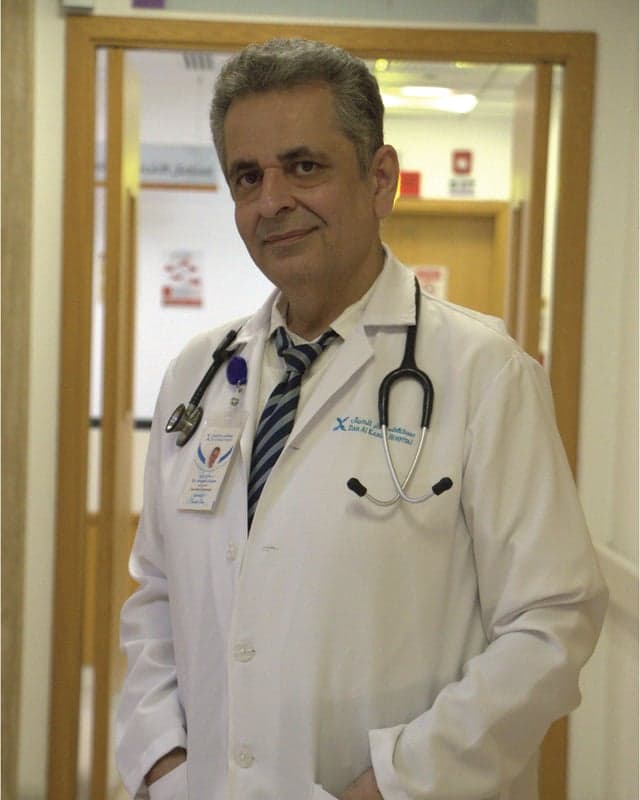 Dr. Hossein KarimBook appointment
Cardiologist
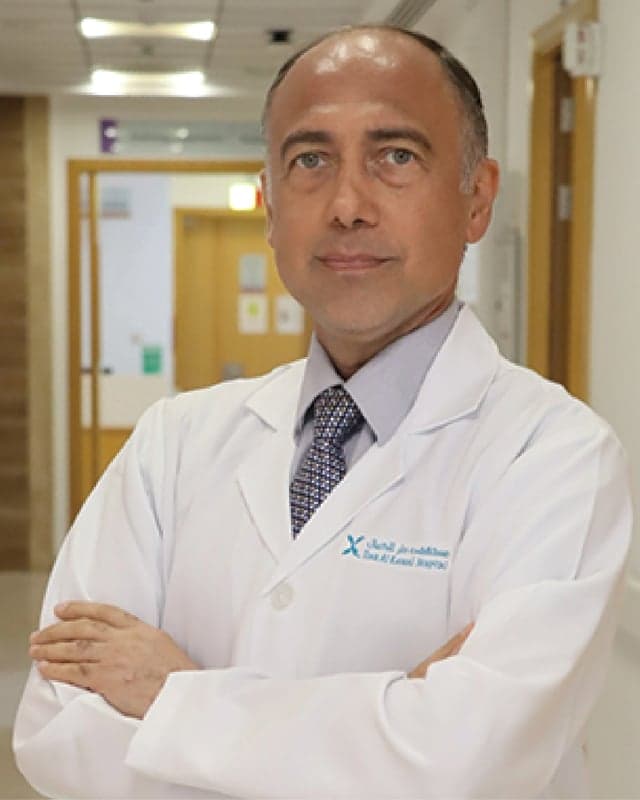 Dr. Mohammadreza KhalilianBook appointment
Specialist Pediatric Cardiology
Medically reviewed by Dar Al Kamal Team
What does a cardiologist do?
A cardiologist specialises in the heart and blood vessels. They diagnose conditions affecting how your heart beats, how efficiently it pumps, and how well blood moves through your arteries. Most people come to cardiology at Dar Al Kamal Hospital, Sharjah for one of three reasons: a symptom that needs explaining, a risk factor that needs managing, or a routine check prompted by family history.
Not every heart symptom means heart disease. Chest discomfort, breathlessness and palpitations have many causes, a good number of them harmless. The value of a cardiology consultation is a clear answer: either reassurance backed by objective testing, or an early diagnosis while treatment options are at their widest.
When should you see a cardiologist?
Book an appointment if you have:
- Chest pain or pressure that comes on with exertion and eases with rest
- Breathlessness that is new or getting worse
- Palpitations, or a heartbeat that feels irregular
- Unexplained tiredness that limits what you can do
- Swelling in the legs or ankles
- Fainting, or episodes where you nearly faint
You should also come without symptoms if you have been told you have high blood pressure, high cholesterol or diabetes, if you smoke (including shisha or vaping), or if a close family member developed heart disease before 55 in men or 65 in women. These are the situations where assessment before symptoms appear changes the most.
When is it an emergency?
Call emergency services immediately — do not wait for an appointment — if you have severe chest pain lasting more than a few minutes, chest pain spreading to the arm, jaw or back, sudden severe breathlessness, or you collapse. These may be signs of a heart attack. Time is the single biggest factor in the outcome, and people lose critical minutes deciding whether they are overreacting.
High blood pressure
High blood pressure usually causes no symptoms at all, which is why so many people have it without knowing. It is found by measuring, and a single high clinic reading is confirmed with repeated or home readings before a diagnosis is made.
Blood pressure responds to salt reduction, weight loss, regular activity and, where needed, medication. If you monitor at home, bring the readings to every appointment. Home readings are often more informative than one measurement taken in a clinic.
Coronary artery disease and chest pain
Coronary artery disease is a narrowing of the arteries that supply the heart muscle. Its typical symptom is angina: a pressure or tightness in the chest brought on by exertion or stress and relieved by rest. Some people, particularly those with diabetes, feel breathlessness or unusual tiredness instead of pain.
Assessment starts with an ECG and often a stress test, because symptoms that appear only on exertion tend to show up only on a test that provokes them. Treatment combines medication with control of blood pressure, cholesterol, blood sugar and smoking. Where a narrowing needs a procedure to open it, your cardiologist explains the options and arranges referral for an interventional procedure.
Palpitations and atrial fibrillation
Palpitations are an awareness of your own heartbeat. Many are harmless extra beats. Atrial fibrillation is different: an irregular rhythm that makes the heart pump less efficiently and raises the risk of stroke.
Because palpitations come and go, a normal resting ECG does not settle the question. A Holter monitor worn for 24 hours or longer records the rhythm while you go about your day. If atrial fibrillation is found, treatment covers two separate decisions: controlling the rhythm or rate, and whether you need blood-thinning treatment to lower stroke risk.
Heart failure
Heart failure means the heart is pumping less effectively than the body needs. It does not mean the heart has stopped. The usual symptoms are breathlessness on exertion or when lying flat, swelling of the ankles, and tiredness.
An echocardiogram is the key test, showing how well the heart muscle contracts. Heart failure is managed over years with medication, monitoring and attention to salt and fluid. A sudden gain in weight over a few days can signal fluid building up, so daily weighing is a simple, useful habit your cardiologist may ask you to keep.
Cardiac risk in the UAE
Cardiovascular disease is a major cause of death across the Gulf, and several risk factors are unusually common here: type 2 diabetes, high blood pressure, obesity and physical inactivity. Heart disease also tends to present earlier in the UAE population than in many Western countries. Diabetes roughly doubles cardiovascular risk.
The practical implication is that screening thresholds you may have read about elsewhere are often too late for this population. A cardiac assessment from your forties is reasonable even without symptoms, and earlier if you have diabetes or a family history. Physical activity is the intervention most often skipped. The climate makes outdoor exercise impractical for much of the year, so the realistic plan is usually indoor: gym, pool, mall walking or home routines. A plan you will actually follow in August beats an ideal plan you abandon.
What happens at your first appointment?
Expect the consultation to take longer than a standard clinic visit.
Your cardiologist begins with a detailed history: your symptoms, what brings them on, what relieves them, your medical background, every medication you take, and your family history. A careful history often narrows the diagnosis substantially before a single test is run.
A physical examination follows: blood pressure in both arms, pulse, listening to the heart and lungs, checking for swelling and examining the circulation in your legs. An ECG is usually performed the same day. Depending on what is found, further tests may be arranged, and blood tests for cholesterol, blood sugar, kidney and thyroid function are common.
You leave with an explanation of what was found, what it means, and what happens next. If you do not understand something, say so before you leave. A diagnosis you cannot explain to your family is not a diagnosis you can act on.
Which heart tests might you need?
An ECG records the heart's electrical activity over a few seconds. It is quick and painless, and shows rhythm problems, evidence of previous damage and strain on the heart muscle. It captures only the moment it is recorded.
An echocardiogram is an ultrasound of the heart. It shows the pumping chambers, the valves and how well the muscle contracts, and involves no radiation.
A stress test records the heart while you walk on a treadmill, and a Holter monitor records the rhythm over 24 hours or longer.
Cardiac care often crosses departments. Diabetes, kidney function and pre-operative assessment all interact with the heart, and cardiology at Dar Al Kamal Hospital coordinates with Internal Medicine and Nephrology so you are not left carrying information between teams.
Cost and insurance
Most UAE health insurance plans cover cardiology consultation and standard diagnostics, though coverage of specific tests varies by policy, and procedures usually need pre-approval. Contact Dar Al Kamal Hospital on 06 599 7777 before your appointment to confirm what your plan includes and what, if anything, you will pay directly.
Conditions treated
- Coronary artery disease
- Angina and chest pain on exertion
- High blood pressure
- Heart failure
- Atrial fibrillation and other arrhythmias
- Palpitations
- Fainting episodes
- High cholesterol
- Heart valve disease
- Cardiomyopathy
- Peripheral vascular disease
- Congenital heart conditions in adults
- Heart risk in diabetes
Services in this department
News and events

Frequently asked questions
Do I need a referral to see a cardiologist?
No. You can book an appointment with a cardiologist at Dar Al Kamal Hospital directly. Bring any referral letter or previous test results if you have them.
What should I bring to a cardiology appointment?
Bring your Emirates ID, insurance card, a list of current medications including doses, and any previous ECGs, echo reports or blood results. If you monitor your blood pressure at home, bring the readings.
Will I get heart test results the same day?
An ECG result is available immediately, and echocardiography results are usually discussed at the time of the scan. Results timing depends on the test. Your doctor will tell you when to expect yours.
Is chest pain always a heart problem?
No. Chest pain commonly comes from muscles, the digestive system or anxiety. It should never be self-diagnosed, because the purpose of a cardiology assessment is to rule out heart causes reliably.
At what age should I have a heart check?
Given the risk profile in the UAE, a baseline cardiac assessment from your forties is reasonable, and earlier with diabetes, high blood pressure, smoking or a family history of early heart disease.
Can I exercise if I have a heart condition?
In most cases yes, and exercise is usually beneficial for heart conditions. What matters is the type and intensity, which your cardiologist advises based on your specific condition.
Do I have to take heart medication for life?
Often, but not always. Some heart medication is short-term, while blood pressure and cholesterol treatment is usually long-term. Do not stop or change a cardiac medication without discussing it with your cardiologist first.
Is a cardiologist consultation covered by insurance?
Most UAE plans cover cardiology consultation and standard diagnostics, but coverage varies by policy. Contact Dar Al Kamal Hospital on 06 599 7777 to check yours.
How should I prepare for a stress test?
Wear comfortable clothes and walking shoes, and avoid a heavy meal, caffeine and smoking beforehand. Tell the team about your medications when you book, as some may need to be paused for the test, and bring your inhaler if you use one.
What is the difference between an ECG and an echocardiogram?
An ECG records the heart's electrical activity and shows rhythm problems and strain, while an echocardiogram is an ultrasound that shows the heart chambers, valves and how well the muscle pumps. The two tests answer different questions and are often used together.
Book an appointment
Tell us your preferred day and time. Our team calls you back to confirm.