

Aesthetic Clinic in Sharjah
Specialists
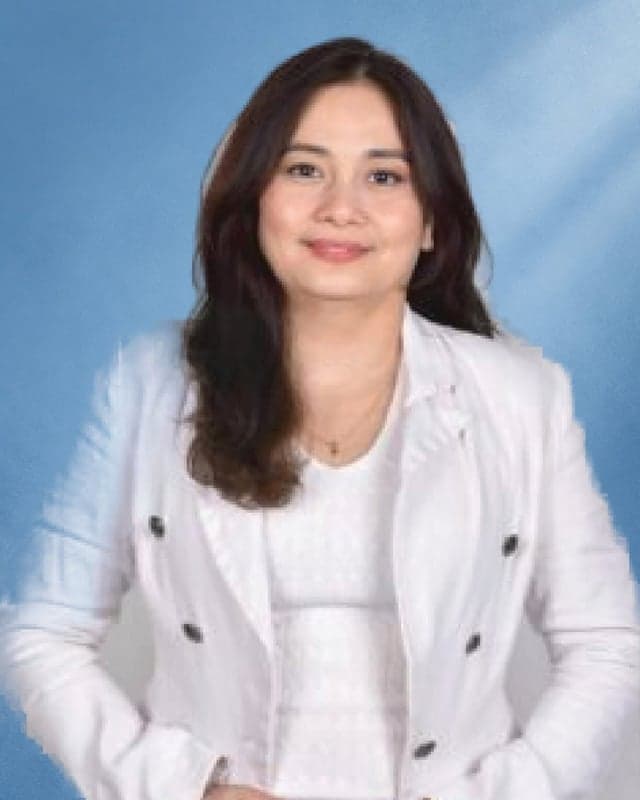 Amelyn OcampoBook appointment
Licensed Beauty Therapist
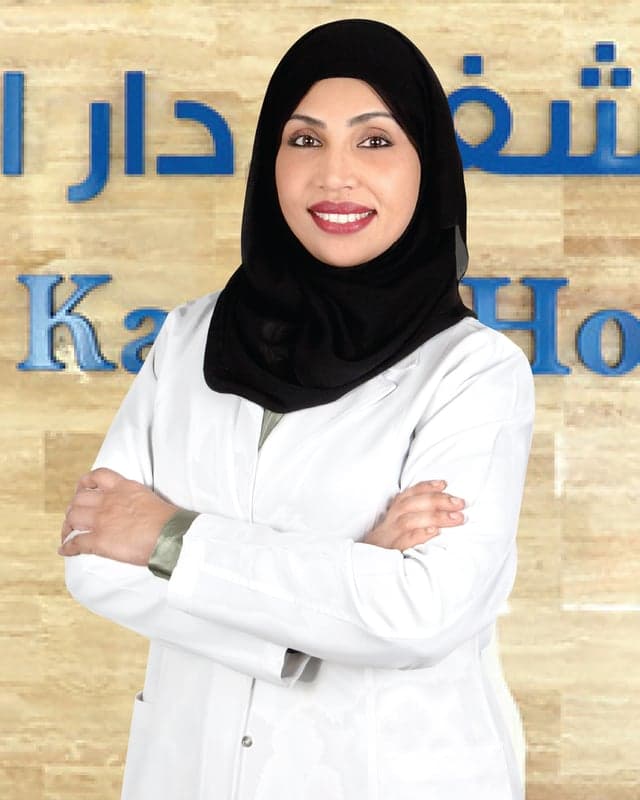 Dr. Noura Salim SalmanBook appointment
GP + Botox Filler Privileges
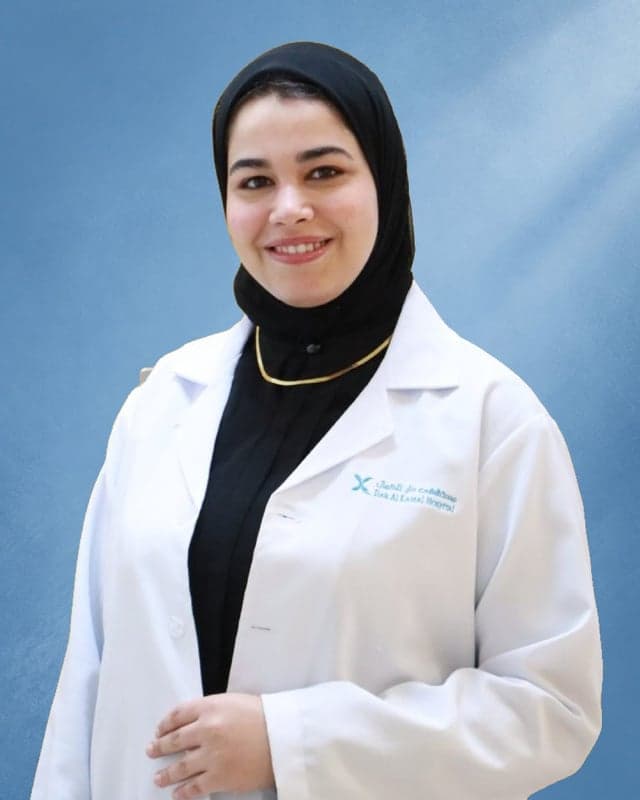 Elshimaa ShamsBook appointment
Laser Technician
Medically reviewed by Dar Al Kamal Team
What does the Aesthetic Clinic do?
The Aesthetic Clinic at Dar Al Kamal Hospital provides non-surgical treatments for the skin, face and hair. Every treatment listed on this page is performed in-house, inside the hospital, by clinicians trained and privileged for that treatment. The work centres on appearance and skin quality: unwanted hair, dull or uneven skin, fine lines, lost facial volume, thinning hair and tattoos you would like removed.
Three departments look after the skin, and patients often mix them up. The distinction is simple once it is laid out:
- The Aesthetic Clinic improves how healthy skin, face and hair look, using treatments that involve no operation: lasers, facials, peels, needling, injections and PRP.
- Dermatology diagnoses and treats skin disease: acne that scars, eczema, psoriasis, infections, suspicious moles and medical hair loss.
- Plastic Surgery reshapes the face and body through operations, such as eyelid surgery, liposuction or a tummy tuck.
If a skin problem is active, inflamed or changing, Dermatology comes first. If you are considering a surgical change, Plastic Surgery is the right starting point. For everything in between, the Aesthetic Clinic is where to begin, and the teams refer to each other within the hospital when your plan crosses over.
When should you come to the Aesthetic Clinic?
Book a consultation if you would like help with:
- Unwanted hair on the face or body that you shave, wax or thread often
- Skin that looks dull, tired or uneven in tone
- Pigmentation marks, sun spots or uneven patches that you would like to fade
- Enlarged pores, rough texture or shallow acne marks on healthy skin
- Fine lines from frowning, squinting or raising your eyebrows
- Cheeks, lips or the lower face that have lost fullness
- Hair that is thinning gradually, once a medical cause has been checked
- A tattoo you would like lightened or removed
- Skin preparation ahead of a wedding, Eid or another occasion
When is a reaction after treatment urgent?
Mild redness, warmth and slight swelling are expected after many aesthetic treatments and settle on their own. Some reactions need prompt attention.
Contact the hospital on 06 599 7777 the same day if, after a filler or any injection, the skin turns pale, white, blotchy or dusky, or you have pain that is increasing rather than easing. These signs can mean the blood supply to the area is affected and need assessment without delay.
Contact the hospital if you notice blistering, crusting or weeping after a laser treatment or peel, or spreading redness, heat and pus after any treatment.
Go to the emergency department straight away if you have any change in your vision after a facial injection, swelling of the lips, tongue or throat, or difficulty breathing.
Laser hair removal
Laser hair removal reduces unwanted hair on the face and body. The hospital uses Deka laser machines, and the settings are matched to your skin tone and hair colour at a consultation and patch test before your first session. Treatment works across a planned course, because hair grows in cycles and each session reaches the hairs in their active growing phase.
In the UAE sun, timing matters. Tanned skin absorbs more laser energy, so the clinician asks you to protect the area from the sun and set aside fake tan in the run-up to each session. Shaving between sessions is encouraged, because the laser needs the hair root in place.
Facials and skin brightening
Medical facials improve the surface and clarity of the skin. The HydraFacial cleanses, exfoliates, extracts and hydrates in one appointment, and suits skin that feels congested or dehydrated from air conditioning. The brightening facial focuses on dullness and uneven tone. The Facial Gold Stamp is a further facial option on the clinic's menu, and the clinician explains how each facial differs at your consultation.
Facials suit regular upkeep and occasions alike. A facial can also form part of a wider plan, alongside peels or microneedling for texture.
Peels, microneedling and mesotherapy
These treatments work deeper in the skin to address texture, marks and tone. Organic peeling uses a gentler peel formulation to lift dull surface cells and even out tone. Dermapen microneedling creates fine, controlled channels in the skin, which prompt its natural repair process and help with shallow acne marks, enlarged pores and texture. Mesotherapy delivers a blend of skin-nourishing ingredients into the skin through a series of tiny injections.
The clinician chooses between them based on your skin type and what you want to change, and often combines them over a planned course. Sun protection between sessions is part of every plan, especially in Sharjah, where strong sun can darken healing skin.
PRP for skin and hair
PRP stands for platelet-rich plasma. A small sample of your own blood is taken and spun to concentrate the platelets, which are then applied back to your skin or scalp. Because it comes from your own blood, the material is entirely yours.
A PRP facial is used to refresh skin quality and texture on the face. PRP hair therapy treats the scalp in gradual, pattern-type hair thinning. Hair loss has many causes, including iron deficiency and thyroid problems, so the clinician checks for a medical cause first and involves Dermatology where one is suspected.
Botox and dermal fillers
Botox treatment relaxes the muscles that create expression lines, such as frown lines, forehead lines and the lines beside the eyes. Dermal fillers restore volume to the cheeks, lips and lower face and soften the folds from the nose to the mouth. The two treatments address different kinds of line, and your consultation identifies which suits you.
Dr. Noura Salim Salman, a GP at Dar Al Kamal Hospital who holds Botox and filler privileges, gives these injections. She assesses your face at rest and in movement, plans the dose and placement with you, and reviews how you respond.
Tattoo removal
Tattoo removal uses laser light to break the tattoo ink into smaller particles, which the body then clears gradually. The tattoo fades across a course of sessions spaced apart to let the skin recover. Ink colour, depth and your skin tone all shape the plan, and the clinician explains what to expect for your tattoo at the first visit.
What happens at your appointment?
Every treatment starts with a consultation. The clinician asks what you would like to change, looks at your skin, face or hair, and takes a medical history, including medicines, allergies, pregnancy or breastfeeding, recent sun exposure and any earlier cosmetic treatments.
Come with a clean face if your concern is facial, and bring a list of the skincare products and medicines you use. If you are fasting in Ramadan, mention it, as it can help to schedule injections and PRP for after iftar.
For laser treatments, a patch test is usually done first. You then receive a written plan covering the treatments, the number of sessions and the aftercare, so you can decide at your own pace.
Cost and insurance
Aesthetic treatments are usually self-pay, because UAE insurance plans generally cover treatment for disease and exclude cosmetic procedures. Where a treatment is for a medical problem, such as hair loss with a medical cause, the assessment may fall under Dermatology and your plan. Contact us on 06 599 7777 to ask about a specific treatment before booking.
Conditions treated
- Unwanted facial and body hair
- Dull or tired-looking skin
- Uneven skin tone
- Pigmentation and sun spots
- Enlarged pores
- Rough skin texture
- Shallow acne marks
- Dehydrated skin
- Frown lines and forehead lines
- Lines around the eyes
- Loss of volume in the cheeks
- Thin lips
- Folds from the nose to the mouth
- Gradual hair thinning
- Unwanted tattoos
Services in this department
Frequently asked questions
What is the difference between the Aesthetic Clinic and Dermatology?
The Aesthetic Clinic improves the appearance of healthy skin, face and hair with non-surgical treatments, while Dermatology diagnoses and treats skin disease. Go to Dermatology for problems such as eczema, psoriasis, infections, scarring acne or a changing mole, and to the Aesthetic Clinic for treatments such as laser hair removal, facials, peels, Botox and fillers.
Does the Aesthetic Clinic do surgery?
No. Every treatment at the Aesthetic Clinic at Dar Al Kamal Hospital is non-surgical. Operations such as eyelid surgery, liposuction or a tummy tuck are performed by the Plastic Surgery department at the hospital.
Are the treatments done at the hospital itself?
Yes. All the aesthetic treatments offered by Dar Al Kamal Hospital, including laser hair removal, facials, peels, microneedling, mesotherapy, PRP, Botox, dermal fillers and tattoo removal, are performed in-house at the hospital in Sharjah.
Who gives Botox and filler injections?
Botox and filler injections are given by Dr. Noura Salim Salman, a general practitioner at Dar Al Kamal Hospital with privileges for Botox and filler treatments. She assesses your face, plans the treatment with you and reviews your response afterwards.
Is laser hair removal suitable for darker skin?
Laser hair removal can be used on a range of skin tones when the settings are matched to the skin. At Dar Al Kamal Hospital the clinician assesses your skin and hair and carries out a patch test before the first session to confirm the treatment suits you.
Is insurance going to cover aesthetic treatments?
Usually not. UAE insurance plans generally exclude cosmetic treatments, so most aesthetic treatments are self-pay. Where a problem has a medical cause, such as some types of hair loss, the medical assessment may be covered. Contact the hospital on 06 599 7777 to check before booking.
What are the risks of aesthetic treatments?
Every treatment carries some risk, and the specific risks depend on the treatment. Laser treatments and peels can cause temporary redness, blistering or changes in skin colour, particularly on tanned skin. Injections can cause bruising, swelling and, rarely, infection or a blocked blood vessel after fillers. The clinician explains the risks of your chosen treatment at the consultation.
Can I have aesthetic treatments during pregnancy or breastfeeding?
Many aesthetic treatments, including Botox and fillers, are generally postponed during pregnancy and breastfeeding. Tell the clinician at your consultation if you are pregnant, trying to conceive or breastfeeding, so that your plan can be adjusted or deferred.
How many sessions will I need?
It depends on the treatment and on your skin or hair. Laser hair removal, tattoo removal, microneedling and PRP are given as a course of sessions, while a facial or a filler treatment may be a single appointment. The clinician gives you a plan for your case at the consultation.
Can I go out in the sun after treatment?
After laser treatments, peels and microneedling, the skin is more sensitive to sun, so protect the area with sunscreen and shade and avoid tanning. In the Sharjah climate this matters year-round. The clinician gives you specific aftercare for your treatment.
What should I bring to my first appointment?
Bring your Emirates ID, a list of the medicines and skincare products you use, and details of any earlier cosmetic treatments. If your concern is facial, come without makeup so your skin can be assessed properly.
Can I have treatment while fasting in Ramadan?
Many aesthetic treatments can go ahead during Ramadan, and some patients prefer to book injections or PRP after iftar. Mention that you are fasting when you book, and the team at Dar Al Kamal Hospital will help you choose a suitable time.
Book an appointment
Tell us your preferred day and time. Our team calls you back to confirm.