

General Surgeon in Sharjah
Specialists
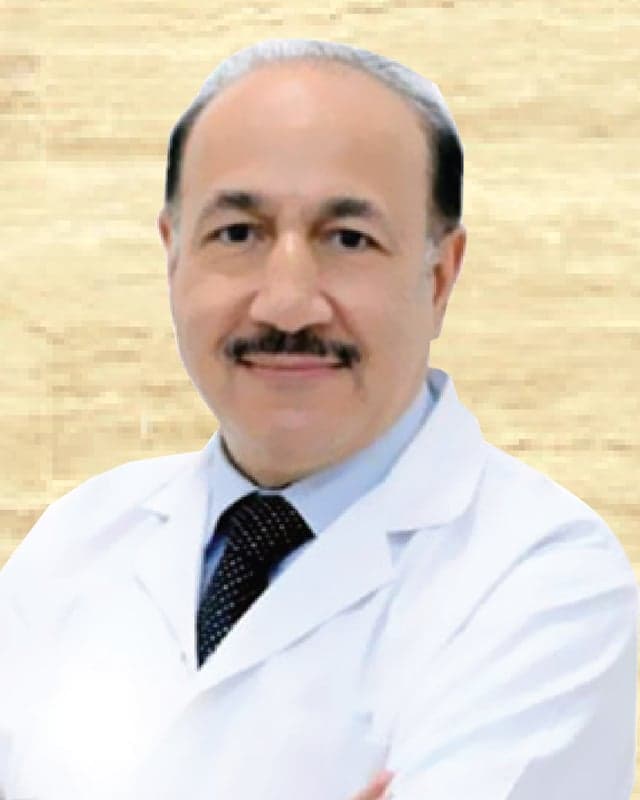 Dr. Amer AbdulBook appointment
General Surgery Specialist
 Dr. Hamid EsmaeilBook appointment
Specialist General & Cosmetic Surgeon
 Dr. Mehdi ArianaBook appointment
Specialist General Surgeon
 Dr. Pradeep Kumar SharmaBook appointment
General Surgery Specialist
 Dr. Sherif UllahBook appointment
General Surgery Specialist
 Dr. Thaier KadhumBook appointment
General Surgery Consultant
Medically reviewed by Dar Al Kamal Team
What a general surgeon does
A general surgeon treats conditions of the abdomen and its organs — the stomach, intestines, appendix, gallbladder, liver, pancreas and spleen — along with hernias, the thyroid and parathyroid glands, the breast, skin and soft tissue.
The name is misleading. "General" does not mean non-specialised; it describes the breadth of the abdominal and soft-tissue field. These are among the most frequently performed operations in any hospital, and the surgeons who do them do little else.
Most patients referred to a general surgeon arrive with one of three things: a lump, a pain, or a scan result somebody wants explained. Not all of them need an operation.
When should you see a general surgeon?
Book an appointment if you have:
- A lump or bulge in the groin, navel or abdominal wall, particularly one that appears on coughing or lifting
- Recurring pain in the upper right abdomen, often after fatty meals
- Persistent abdominal pain, bloating or a change in bowel habit
- Rectal bleeding, anal pain, or a painful swelling near the tailbone
- A breast lump or nipple change
- A neck swelling or thyroid nodule
- A skin lesion, cyst or lipoma that is growing, painful or catching on clothing
- A scan finding — gallstones, a hernia, a nodule — that needs a surgical opinion
You do not need a referral. If you have previous scans or blood results, bring them.
When is it an emergency?
Go to the emergency department immediately, do not wait for a clinic appointment, if you have:
- Severe abdominal pain that came on suddenly and is worsening
- Abdominal pain with fever and vomiting
- A hernia that becomes hard, painful, and cannot be pushed back in — this may be strangulated and is time-critical
- Vomiting blood, or black tarry stools
- A rigid, board-like abdomen
- Abdominal pain after significant injury
Appendicitis and a strangulated hernia are the two conditions where hours matter. People routinely wait overnight hoping the pain will settle, and that delay is what turns a straightforward operation into a complicated one.
Laparoscopic surgery — what keyhole actually means
Most abdominal operations here are performed laparoscopically. Instead of a single long incision, the surgeon works through several small cuts, usually between 5mm and 12mm, using a camera and fine instruments.
For the patient this generally means less pain afterwards, a shorter hospital stay — often same-day discharge — a faster return to work and normal activity, smaller scars, and a lower rate of wound infection and later incisional hernia.
It is not automatically the right choice for everyone. Extensive previous abdominal surgery, severe adhesions, certain emergencies, and some anatomical situations make open surgery the safer option. A surgeon who converts from keyhole to open during an operation has made a judgement in your favour, not committed an error — and that possibility is discussed with you beforehand, not afterwards.
Ask your surgeon which approach is planned for you and why. The answer should be specific to your case.
Procedures performed
Hernia repair. Inguinal, umbilical, incisional, hiatus and femoral hernias, repaired laparoscopically or open depending on type, size and your history. Hernias do not resolve on their own and they tend to enlarge. The argument for repairing one that is not yet causing trouble is that a planned operation is considerably safer than an emergency one.
Gallbladder removal. Gallstones are common in the UAE. Typical symptoms are pain in the upper right abdomen after fatty food, sometimes radiating to the back or right shoulder, with nausea. Removal is laparoscopic in the great majority of cases and most patients go home the same day. You can live normally without a gallbladder.
Appendicectomy. Usually an emergency, usually laparoscopic.
Bariatric surgery. Sleeve gastrectomy and gastric bypass for severe obesity. This is not a cosmetic procedure — it is a treatment for a condition that drives diabetes, hypertension, sleep apnea and joint disease, all of which are widespread here. A proper assessment includes dietary and psychological evaluation before any decision, arranged as part of your care pathway. Anyone who offers you weight-loss surgery on a first consultation without that assessment is not treating it seriously.
Pilonidal sinus surgery. More common in this region than many patients realise — heat, prolonged sitting and hair type all contribute, and it affects young adults disproportionately. Several surgical options exist with different recovery profiles and recurrence rates, and the right one depends on the extent of the disease.
Haemorrhoid and anal surgery. Haemorrhoids, fissures and fistulas. Frequently endured for years out of embarrassment. Most are treatable, several without surgery at all, and the consultation is a routine one for the surgeon.
Thyroid and parathyroid surgery for nodules, goitre and overactive glands.
Breast surgery for benign lumps and for cancer, working alongside imaging and oncology.
Colorectal surgery, including for cancer and inflammatory bowel disease.
Skin and soft tissue — lipomas, sebaceous cysts, ingrown toenails, abscess drainage and lesion removal.
Emergency and trauma surgery, and wound care and debridement for complex or non-healing wounds, including diabetic wounds.
What happens at your first appointment
Your surgeon takes a history — what the problem is, how long it has been there, what makes it worse, how it affects your daily life — then examines you. For a hernia this means standing and coughing; for abdominal pain, palpating the abdomen.
Investigations are arranged only where they change the decision: ultrasound for gallstones, CT for complex or unclear abdominal problems, blood tests before any operation, endoscopy where indicated.
If surgery is recommended, you should leave understanding what the operation involves, which approach is planned and why, what the realistic recovery timeline is, what the risks and complications are, what the alternatives are including doing nothing, and what happens if you decline.
If any of that is unclear, ask again before you leave. A consent form signed by a patient who cannot explain their own operation is a formality, not consent.
Preparing for surgery
What you do beforehand measurably affects the outcome. Stop smoking — even a few weeks helps wound healing and reduces chest complications. Bring blood sugar under control if you are diabetic, since poor control is the strongest predictor of wound infection. Continue or stop medications only as instructed; blood thinners in particular need a specific plan. Follow fasting instructions exactly, because a missed instruction cancels an operating list slot.
Day surgery and recovery
Many procedures here are day cases: you arrive in the morning and go home the same day. You will need someone to drive you and, ideally, to stay with you the first night.
You will be given written instructions covering wound care, pain relief, when to return to work, when you can drive, when to resume exercise and lifting, and — most importantly — which symptoms mean you should call us rather than wait. Fever, increasing pain, wound discharge and persistent vomiting are all reasons to make contact.
Recovery times vary by procedure and by person. Your surgeon will give you a timeline for your case rather than an average from a leaflet.
Anaesthesia
Most procedures are under general anaesthetic, some under regional or local. You will meet the anaesthetist before your operation to review your medical history, medications and any previous anaesthetic problems. See Anaesthesiology.
Second opinions
Wanting a second opinion before surgery is reasonable and common, and no competent surgeon takes offence. Bring your scans and reports. An opinion that confirms the first one is worth having; an opinion that differs is worth having more.
Cost, insurance and approvals
Most UAE health insurance plans cover general surgery consultation and the common procedures, but surgery almost always requires pre-approval, and bariatric surgery is frequently excluded or subject to specific criteria.
Start the approval process early — it is a common source of delay between the decision to operate and the operating date. Contact us on 06 599 7777 to confirm what your policy covers before your appointment.
Conditions treated
- Inguinal, umbilical and incisional hernia
- Gallstones and gallbladder disease
- Appendicitis
- Haemorrhoids, anal fissure and fistula
- Pilonidal sinus
- Severe obesity
- Thyroid nodules and goitre
- Breast lumps and breast cancer
- Colorectal conditions and cancer
- Lipomas, cysts and skin lesions
- Varicose veins
- Abdominal wall conditions
- Non-healing and diabetic wounds
- Abdominal emergencies ---
Services in this department
Frequently asked questions
Do I need a referral to see a general surgeon?
No. Book an appointment directly. Bring any scans, blood results or reports you already have.
Is laparoscopic surgery better than open surgery?
For most planned abdominal operations it offers less pain, a shorter stay and a faster recovery. But it is not right for every patient or every situation — previous surgery, adhesions and some emergencies make open surgery safer. Your surgeon will explain which applies to you and why.
Will I have a scar?
Yes, but laparoscopic incisions are small, usually 5–12mm, and fade considerably over the first year. Scarring varies between individuals and skin types; your surgeon can advise on what to expect in your case.
How long is recovery after hernia repair?
It depends on the hernia, the repair and your work. Desk-based work is often a week or two; heavy lifting takes longer. Your surgeon will give you a timeline for your situation rather than an average.
Do I need my gallbladder?
No. Bile flows directly from the liver to the intestine afterwards. Most people notice no lasting difference, though some find very fatty meals less comfortable for a few weeks.
Can a hernia be left alone if it doesn't hurt?
Sometimes, and that is a decision made with your surgeon. But hernias enlarge over time and carry a risk of obstruction or strangulation, which is an emergency. A planned repair is considerably safer than an emergency one.
Is bariatric surgery covered by insurance?
Often not, or only when specific criteria are met. Policies vary widely on this. Check before your consultation — contact us on 06 599 7777.
What is day surgery?
You are admitted and discharged the same day. Many hernia, gallbladder and minor procedures are performed this way. You will need someone to drive you home.
When can I drive after an operation?
When you can perform an emergency stop without hesitating because of pain, and are no longer taking sedating painkillers. That is usually days rather than weeks for a day-case procedure, but confirm it with your surgeon — and with your insurer.
Can I get a second opinion before agreeing to surgery?
Yes, and it is a reasonable thing to want. Bring your scans and reports.
Do you perform emergency surgery?
Yes. For sudden severe abdominal pain, a painful irreducible hernia, or vomiting blood, go to the emergency department immediately rather than requesting a clinic appointment.
Are female surgeons available?
Tell us when you request your appointment and we will advise on availability. ---
Book an appointment
Tell us your preferred day and time. Our team calls you back to confirm.