

Urologist in Sharjah
Specialists
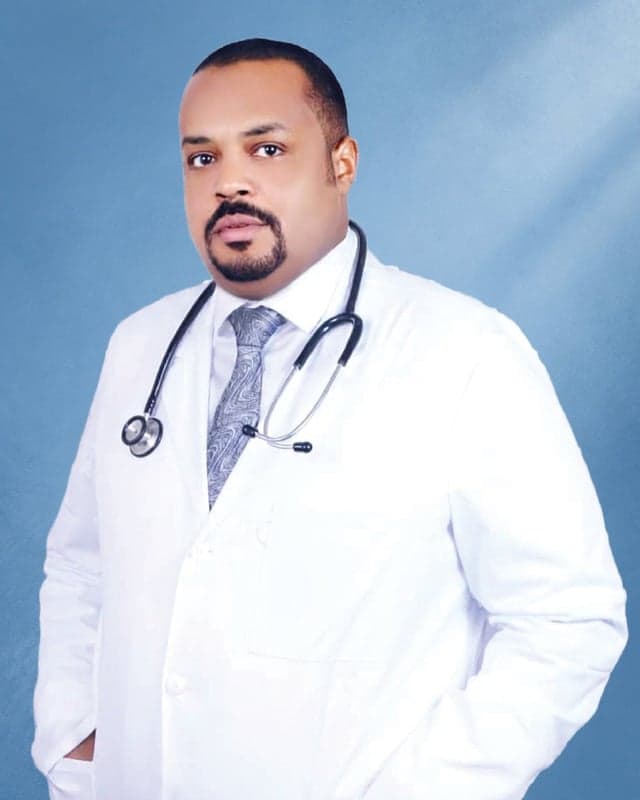 Dr. Azzam Mohamed AhmedBook appointment
Specialist Urologist
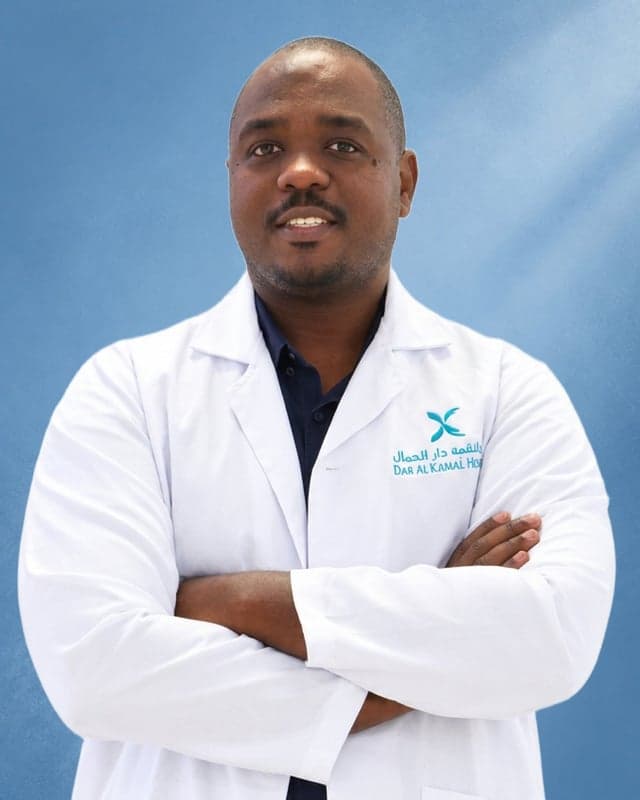 Dr. Odai AbdallaBook appointment
Specialist Urologist
Medically reviewed by Dar Al Kamal Team
What a urologist treats
Urology covers the urinary tract in everyone — kidneys, ureters, bladder and urethra — and the male reproductive system.
It is commonly assumed to be a men's specialty. It is not. Urinary stones, bladder problems, recurrent infections and incontinence affect women and children just as much, and a substantial share of any urology clinic is female patients.
When should you see a urologist?
- Pain in the side, back or lower abdomen that comes in waves
- Blood in the urine — always requires assessment, even once, even painless
- Burning, urgency or frequency when passing urine
- Difficulty starting, a weak stream, or dribbling at the end
- Getting up repeatedly at night to pass urine
- Leaking urine when coughing, laughing or exercising
- Recurrent urinary tract infections
- A lump, swelling or pain in the testicle
- Difficulty conceiving
- Concerns about sexual function
- A raised PSA result or an abnormal prostate examination
- A kidney stone or cyst found on a scan
Blood in the urine is the one symptom never to dismiss. It is often caused by something benign — a stone or an infection — but it is also the most common first sign of bladder cancer. A single painless episode that clears on its own still warrants investigation.
When is it urgent?
Go to the emergency department for:
- Severe one-sided flank pain with fever and chills — an infected obstructed kidney is a medical emergency
- Complete inability to pass urine with a painful, distended lower abdomen
- Sudden severe testicular pain, particularly in a boy or young man — testicular torsion is time-critical, and the testicle can usually only be saved within a few hours
- Heavy visible bleeding with clots
- Injury to the genitals or kidney area
Testicular pain in adolescents is frequently endured out of embarrassment. It should not be. Hours decide the outcome.
Kidney stones — the most common reason people come here
Kidney stones are notably common in the UAE, and the reasons are environmental as much as dietary: high temperatures, heavy sweating and chronic under-drinking concentrate the urine, and concentrated urine forms stones. Recurrence rates are high.
Symptoms are severe pain in the side or back that comes in waves, often radiating to the groin, with nausea, and sometimes blood in the urine. Many people describe it as the worst pain they have experienced.
Treatment depends on size and position. Small stones often pass on their own with fluids and pain relief, sometimes helped by medication that relaxes the ureter. Larger stones may need lithotripsy, which uses shock waves to break the stone without surgery, or a telescopic procedure to remove or fragment it.
Prevention is the part most patients skip and the part that matters most. After a first stone, the priority is stopping the next one — fluid intake targets, dietary adjustment based on the stone's composition, and where indicated, metabolic testing to identify why you formed one. Analysing a passed stone is worth doing, because different stone types need different prevention.
Drinking enough in this climate is harder than it sounds. Air-conditioned offices reduce the sensation of thirst while dehydration continues.
Prostate conditions
The prostate enlarges with age in most men. Benign prostatic enlargement is not cancer, and it is common by the sixties.
Symptoms are a weak stream, hesitancy, incomplete emptying, urgency and waking at night. These affect sleep and daily life considerably, and many men accept them for years as an inevitable part of ageing. Effective treatment exists — medication for most, surgery where symptoms are severe or medication fails.
Prostate cancer screening uses a PSA blood test alongside examination. Screening is a decision to make with your doctor rather than a routine tick-box: PSA can be raised by infection, recent exercise or an enlarged prostate, and not every prostate cancer needs treatment. What you should expect is a conversation about what a result would mean before the test is taken, not afterwards.
Discuss screening from your fifties, or your forties with a family history.
Bladder problems
Urinary tract infections are common, especially in women. Recurrent infections — three or more a year — warrant investigation rather than repeated antibiotic courses, because there is often an underlying reason.
Overactive bladder causes sudden urgency and frequency. Stress incontinence causes leaking on coughing, laughing or exercise. Both are common, both are treatable, and both are very commonly hidden. Women in particular often manage the problem privately for years with pads and planning. Treatment ranges from pelvic floor training and bladder retraining to medication and surgery.
Urodynamic testing measures how the bladder fills and empties, and clarifies which type of problem is present when symptoms overlap.
Men's health
Erectile difficulties are common and frequently have a physical cause. This matters clinically beyond the symptom itself: erectile dysfunction is often an early marker of cardiovascular disease and diabetes, sometimes appearing years before other signs. Assessment includes checking for those, which means the consultation is worth having for reasons beyond the presenting complaint.
Fertility assessment for men, including semen analysis and hormone testing. Male factors contribute to a substantial share of couples' difficulty conceiving, and investigating only one partner wastes time. Coordinated with Gynecology and Obstetrics.
Testicular lumps and swellings — hydrocele, varicocele, cysts. Most are benign. Any new testicular lump should be examined promptly, because testicular cancer is one of the most treatable cancers when caught early and it affects young men disproportionately.
Vasectomy and circumcision are performed as day procedures. Consultation covers the procedure, recovery and — for vasectomy — that it should be considered permanent.
Consultations are private and discreet. If you would prefer to discuss something in a particular language, tell us when you book.
Children's urology
Undescended testicle, hydrocele, recurrent urinary infections, bedwetting beyond the usual age, and circumcision. Assessment is age-appropriate and carried out with a parent present.
What happens at your appointment
A history, an examination, and usually a urine test. Ultrasound of the kidneys and bladder is common and painless. Blood tests including kidney function and, where relevant, PSA.
Cystoscopy — a thin camera passed into the bladder — may be arranged where bladder assessment is needed. It is performed with local anaesthetic gel for most patients and takes only a few minutes.
You leave with an explanation of the finding, the options, and what should bring you back sooner.
Cost and insurance
Most UAE plans cover urology consultation, ultrasound and standard tests. Lithotripsy and surgical procedures usually require pre-approval — start that early, as it is a common cause of delay. Vasectomy and circumcision are often excluded. Confirm on 06 599 7777.
Conditions treated
- Kidney stones
- Urinary tract infections
- Benign prostate enlargement
- Prostate cancer
- Bladder cancer
- Kidney cancer
- Blood in the urine
- Overactive bladder
- Urinary incontinence
- Erectile dysfunction
- Male infertility
- Testicular lumps, hydrocele and varicocele
- Undescended testicle
- Childhood bedwetting
- Urinary retention
Services in this department
Frequently asked questions
Do I need a referral to see a urologist?
No. Book an appointment directly. Bring any scans, urine results or blood tests you already have.
Is urology only for men?
No. Kidney stones, urinary infections, bladder problems and incontinence affect women and children equally, and a large part of any urology clinic is female patients.
I saw blood in my urine once and it stopped — should I still come?
Yes. A single painless episode still needs investigation. It is often caused by something benign, but it is also the most common first sign of bladder cancer.
Will my kidney stone pass on its own?
Small stones often do, with fluids, pain relief and sometimes medication to relax the ureter. Larger stones may need lithotripsy or a telescopic procedure. Size and position decide it — an ultrasound or CT will show which applies.
How do I stop getting kidney stones again?
Fluid intake is the single biggest factor, and it is harder to maintain in this climate than people expect. Beyond that, prevention depends on the stone type — bring a passed stone for analysis if you have one.
Should I have a PSA test?
It is a decision to make with your doctor, not a routine test. PSA can be raised by infection, an enlarged prostate or recent exercise, and not every prostate cancer needs treatment. Discuss what a result would mean before the test, from your fifties, or forties with a family history.
Is an enlarged prostate the same as prostate cancer?
No. Benign prostatic enlargement is a normal part of ageing for most men and is not cancer, though both can cause similar urinary symptoms — which is why assessment matters.
Is cystoscopy painful?
Uncomfortable rather than painful for most patients. Local anaesthetic gel is used and it takes only a few minutes.
I leak urine when I cough or exercise — is that treatable?
Yes. Stress incontinence is common and very treatable, ranging from pelvic floor training to medication or surgery. It is not something to manage privately with pads.
My son has sudden severe testicular pain — what should I do?
Go to the emergency department immediately. Testicular torsion is time-critical and the testicle can usually only be saved within a few hours.
Is vasectomy reversible?
Reversal is sometimes possible but never guaranteed. Vasectomy should be considered a permanent decision.
Are consultations private?
Yes. Urology consultations are routine for the doctor and entirely confidential.
Book an appointment
Tell us your preferred day and time. Our team calls you back to confirm.