

Orthopedic in Sharjah
Specialists
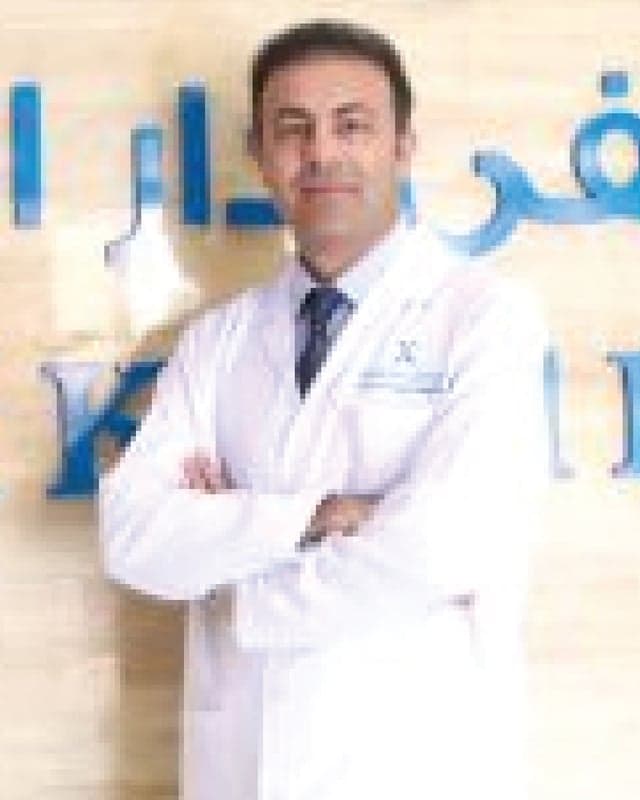 Dr. Arash KhozaeiBook appointment
Specialist Orthopedic
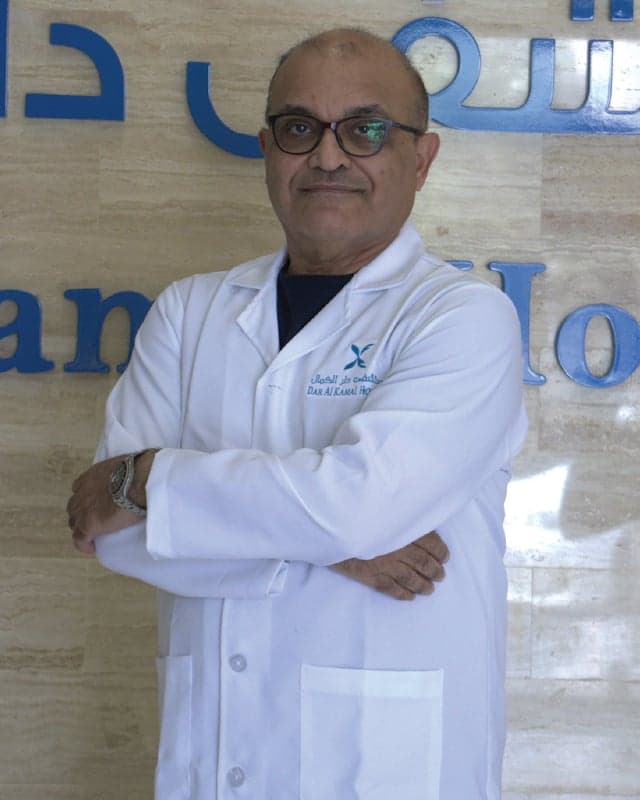 Dr. Mohamed Kamal AliBook appointment
Consultant Orthopedic Surgery and Sports Medicine
Medically reviewed by Dar Al Kamal Team
What does orthopedics cover?
Orthopedics deals with the musculoskeletal system — bones, joints, muscles, ligaments and tendons. It covers everything from a sprained ankle to a complex spinal condition.
The most important thing to know before your first appointment: most orthopedic patients never have an operation. Surgery is one option among many, and usually not the first.
When should you see an orthopedic doctor?
See an orthopedic specialist for joint pain lasting more than a few weeks, back or neck pain that is not improving, pain that wakes you at night, reduced range of movement, joint swelling or instability, numbness or tingling in a limb, a sports injury that has not settled, or after a fracture.
Seek immediate care for a suspected fracture, a visibly deformed limb, inability to bear weight after an injury, or sudden loss of bowel or bladder control accompanying back pain. The last is a medical emergency requiring assessment within hours.
What happens at your first appointment?
Your doctor takes a history — where the pain is, what brings it on, what relieves it, how it affects your sleep and daily activity, and what you have already tried.
Examination follows: range of movement, strength, stability, and specific tests for particular structures. Wear or bring clothing that allows the affected area to be examined properly. A knee cannot be assessed through jeans.
Imaging is arranged if it will change the plan. Often it will not, and a clinical diagnosis is enough to start treatment.
Why is a scan not always the answer?
Patients often arrive expecting an MRI and leave without one. This is worth explaining rather than leaving as a disappointment.
Scan findings such as disc bulges, cartilage wear and rotator cuff changes are extremely common in people with no pain at all. Imaging an area without a clear clinical question frequently finds something incidental, which then gets blamed for symptoms it is not causing — and can lead to treatment nobody needed.
Your doctor will recommend imaging when the result would genuinely change what happens next.
Back and neck pain
Back pain is one of the most common reasons people see a doctor anywhere in the world. Most cases are mechanical and improve within weeks.
The purpose of assessment is to identify the minority that need specific treatment — a disc problem compressing a nerve, spinal stenosis, or an inflammatory cause — and to get the majority moving again safely. Prolonged rest generally makes back pain worse, not better, which surprises most patients.
Knee and hip pain
Knee pain has many causes — cartilage wear, ligament injury, tendon inflammation, or referred pain from the hip or back. Osteoarthritis is the most common cause in older adults.
Early management with weight control, targeted strengthening and pain relief often delays or avoids surgery entirely. Even modest weight loss meaningfully reduces load through the knee with every step.
Joint replacement is considered when pain is no longer controlled and daily life is significantly limited. It is a well-established procedure with good long-term outcomes, but it is a decision made together, based on your symptoms and your life — not on an X-ray appearance alone.
Non-surgical treatment
Most orthopedic treatment is non-surgical: activity modification, physiotherapy, pain relief, anti-inflammatory medication, bracing, and injections where appropriate.
Corticosteroid injections can give substantial relief for inflammatory conditions, though they are not unlimited and are generally used alongside rehabilitation rather than instead of it.
Sports injuries
Sprains, ligament tears, meniscal injuries, tendon problems and stress fractures. Treatment depends on the injury and on what you need to return to — the plan for a competitive athlete differs from the plan for someone who plays football on Fridays.
Rehabilitation is usually the most important part of recovery, and the part most often cut short. Returning before the tissue and the surrounding muscle are ready is the single most common cause of re-injury.
Fractures
Fracture treatment ranges from immobilisation in a cast to surgical fixation. Follow-up matters — confirming healing is progressing, and rehabilitation to restore strength and movement afterwards. Stiffness after immobilisation is expected and is addressed with physiotherapy.
What if surgery is recommended?
You should leave the consultation knowing what the operation involves, what the realistic outcome is, what the recovery timeline looks like, what the alternatives are, and what happens if you do nothing. If any of that is unclear, ask again.
Preparation before surgery — strengthening, weight management, stopping smoking, optimising diabetes control — measurably improves outcomes. Recovery is not passive; the rehabilitation you do afterwards largely determines the result.
Common shoulder and hand problems
Frozen shoulder causes a stiff, painful shoulder that slowly loses movement, and is more common in people with diabetes. Carpal tunnel syndrome causes numbness, tingling and weakness in the hand, often worst at night, from pressure on a nerve at the wrist. Both are usually managed without surgery.
Preventing injury and protecting your joints
Much orthopedic trouble is easier to prevent than to treat. Build activity up gradually rather than in sudden jumps, since most sports injuries follow a spike in load the body was not ready for. Keeping the muscles around your joints strong and managing your weight both help protect the knees and hips.
Osteoporosis
Bone density falls with age, particularly after menopause. Vitamin D deficiency is notably widespread in the UAE, including among people with substantial sun exposure, and it affects bone health directly.
Osteoporosis is silent until a fracture occurs, which is why assessment matters in those at risk rather than after the event.
Rehabilitation and physiotherapy
Rehabilitation is not an afterthought to orthopedic treatment. For many conditions — back pain, tendon problems, post-operative recovery — structured physiotherapy is the treatment rather than an add-on. Our physical therapists work closely with our orthopedic surgeons, so your rehabilitation follows the same plan as your treatment. Your orthopedic team sets out the rehabilitation your recovery needs and directs you to physiotherapy as part of the plan, so the exercises match the stage of healing.
What can treatment realistically achieve?
Orthopedic recovery is rarely instant, and much of it depends on you. For many conditions the result comes from weeks of rehabilitation, not from a single appointment. Some joint and spine problems can be managed but not fully cured, and worn cartilage does not grow back. Your orthopedic team at Dar Al Kamal Hospital in Sharjah will be clear about what your treatment can achieve.
Cost and insurance
Most UAE plans cover orthopedic consultation, imaging and physiotherapy, though the number of covered physiotherapy sessions is often capped. Check before you start a course — contact us on 06 599 7777.
Conditions treated
- Osteoarthritis
- Back and neck pain
- Disc herniation
- Sports injuries
- Fractures
- Ligament and meniscal tears
- Frozen shoulder
- Tendonitis
- Carpal tunnel syndrome
- Osteoporosis
- Foot and ankle conditions
- Pediatric orthopedic conditions
Services in this department
Frequently asked questions
Will I need surgery?
Probably not. Most orthopedic conditions are managed without surgery, through physiotherapy, medication, injections and activity modification.
Do I need a scan before my appointment?
No. Your doctor will decide what imaging is useful after examining you. Bring any previous scans you have.
How long does recovery take after joint replacement?
It varies by joint, procedure and individual. Your surgeon will give you a realistic timeline for your circumstances rather than an average.
Can you treat children's orthopedic problems?
Yes, including growth-related conditions, fractures and gait concerns.
Is physiotherapy part of my treatment?
Physiotherapy is a core part of orthopedic recovery, and your orthopedic team makes it part of your treatment plan and directs you to the right rehabilitation for your case. Ask at your consultation how your physiotherapy will be arranged.
Should I rest my back or keep moving?
For most back pain, staying gently active recovers faster than resting. Your doctor will tell you if your situation is an exception.
Are steroid injections safe?
They are safe and effective when used appropriately, but the number is limited over time. They work best alongside rehabilitation rather than as a substitute for it.
How soon can I return to sport after an injury?
When strength, movement and stability have been restored — not when the pain stops. Returning on pain alone is the most common cause of re-injury.
What should I bring?
Emirates ID, insurance card, previous X-rays or MRI scans, a list of medications, and clothing that allows the affected area to be examined.
When is back pain an emergency?
Seek immediate care if back pain comes with sudden loss of bowel or bladder control, numbness around the groin or inner thighs, or new weakness in the legs, as this can signal nerve compression that needs assessment within hours. Fever with severe back pain, or back pain after a significant fall or accident, also needs prompt attention.
Can worn cartilage or arthritis be reversed?
Worn cartilage does not grow back, so osteoarthritis is managed rather than cured. Weight control, targeted strengthening, pain relief and, where appropriate, injections can reduce pain and keep you active, and joint replacement is considered when pain is no longer controlled and daily life is significantly limited.
Book an appointment
Tell us your preferred day and time. Our team calls you back to confirm.