

Plastic Surgeon in Sharjah
Specialists
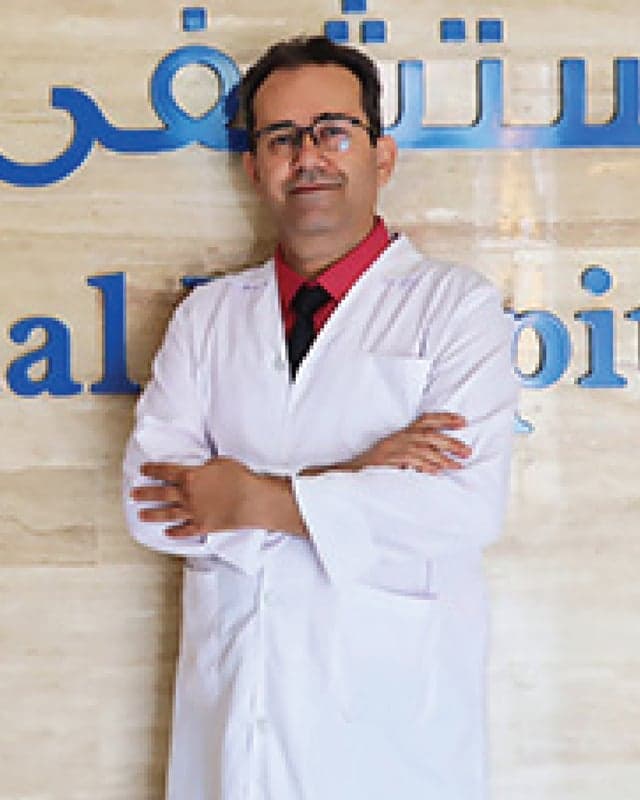 Dr. Hamid EsmaeilBook appointment
Specialist General & Cosmetic Surgeon
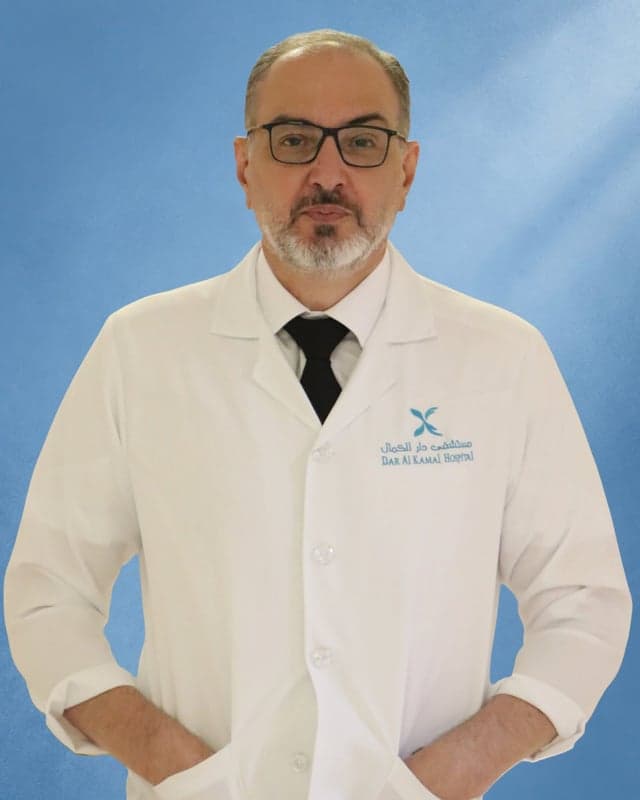 Dr. Reza RafieBook appointment
Specialist Aesthetic and Plastic Surgeon
Medically reviewed by Dar Al Kamal Team
What is the difference between plastic surgery and dermatology?
Plastic surgery and dermatology are often confused because both concern the skin and appearance, but they are different fields with different training and different purpose.
Dermatology is a medical specialty. A dermatologist diagnoses and treats disease of the skin, hair and nails — acne, eczema, psoriasis, hair loss, rashes, fungal infection, and the assessment of moles and possible skin cancer. The work is largely non-surgical.
Plastic surgery is surgical and cosmetic. A plastic surgeon rebuilds tissue that has been damaged by injury, disease or previous surgery, revises scars, removes skin lumps, and performs cosmetic operations that change appearance. Alongside the surgery sit non-surgical cosmetic treatments such as injectables.
The two fields overlap only at the cosmetic edge — smoothing lines, treating ageing skin, removing a lesion for appearance. That narrow overlap is where most patients cannot tell which specialist they need. If your concern is a skin disease, a rash or a changing mole, dermatology is the right starting point. See Dermatology. If your concern is reconstruction after injury or surgery, scar revision, or a cosmetic change, plastic surgery is where this page can help.
What does a plastic surgeon do?
A plastic surgeon works in two broad areas. Reconstructive surgery restores form and function to tissue affected by injury, disease or an earlier operation. Cosmetic surgery changes the appearance of a feature the patient wants altered. The same surgical skills underpin both, which is why one specialist covers the range.
Not every problem brought to a plastic surgeon needs an operation. Part of the consultation is deciding whether surgery is the right answer at all, or whether a smaller procedure, a non-surgical treatment, or no treatment serves the patient better.
What reconstructive work is commonly performed?
Reconstructive procedures at Dar Al Kamal Hospital, Sharjah include scar revision, where a scar that is raised, tight, painful or poorly placed is reshaped to sit and function better. Scar revision improves a scar; it does not erase it, and a scar that already exists cannot be made to vanish.
Soft-tissue reconstruction after injury restores skin and underlying tissue lost or damaged in an accident, a burn or a wound that has healed badly. Reconstruction after surgery rebuilds an area affected by an earlier operation, working alongside the surgical and imaging teams. Skin lesion reconstruction repairs the site after a lump or lesion has been removed, so that the closure heals cleanly.
What cosmetic procedures are performed?
Cosmetic surgery covers operations that alter the appearance of a feature — the reshaping of soft tissue, the removal of unwanted fat by liposuction, and the surgical removal of benign skin lumps such as cysts and lipomas for cosmetic reasons rather than medical necessity.
Every cosmetic operation begins with a consultation about what the procedure can and cannot achieve. Surgery carries real risk and real recovery, and it changes something permanently. A cosmetic result depends on the starting anatomy, the healing process and the individual, so outcomes vary from person to person. A surgeon who explains where a procedure will fall short of what you are imagining is giving you the most useful part of the consultation, not withholding help.
What non-surgical treatments are available?
Not every cosmetic concern calls for surgery. Non-surgical injectable treatments address the appearance of ageing skin without an operation.
Anti-wrinkle injections relax specific muscles to soften the lines that repeated expression creates over time. They work on lines caused by movement and do less for lines already set into the skin at rest. Dermal fillers add volume to areas that have lost fullness or to soften a fold. Neither treatment stops ageing, and neither produces a permanent change — results settle and fade, and the degree and timing differ between individuals.
Injectable treatments at Dar Al Kamal Hospital, Sharjah are provided by a doctor with the training and privileges for those specific treatments. This is a separate scope from the surgical work above: the clinician who provides injectables is not performing surgery, and any surgical or cosmetic-surgical procedure is carried out by the specialist general and cosmetic surgeon. Every injectable treatment is preceded by a consultation about what it can realistically achieve.
What happens at a consultation?
A consultation begins with what you want to change and why. The clinician examines the area, explains what is realistic for your anatomy, and describes the options — which may include surgery, a non-surgical treatment, or advice that no procedure is needed.
For any procedure you should leave understanding what it involves, what it will and will not achieve, what the recovery is like, what the risks are, and what the alternatives are, including doing nothing. Results vary between individuals, and a good consultation sets an honest expectation rather than a flattering one. Any procedure is preceded by this discussion; nothing is decided or done on the same first visit as a matter of routine.
Is cosmetic work covered by insurance?
Cosmetic surgery and cosmetic injectable treatments are elective and are typically self-funded, not covered by health insurance, because they change appearance rather than treat disease.
Reconstructive surgery is different. Where an operation restores function or repairs damage from injury, disease or previous surgery, it may be covered, though this usually requires pre-approval and depends on your policy. The line between reconstructive and cosmetic is not always obvious from the outside. Contact Dar Al Kamal Hospital, Sharjah on 06 599 7777 to check what your plan covers before booking.
Conditions treated
- Facial and body scarring
- Raised, tight or painful scars
- Soft-tissue loss after injury
- Burn-related tissue damage
- Poorly healed wounds
- Tissue affected by previous surgery
- Skin closure after lesion removal
- Benign skin lumps for cosmetic removal
- Cysts and lipomas
- Unwanted localised fat
- Ageing and wrinkled skin
- Lines caused by facial expression
- Loss of facial volume
- Folds and creases of the face
- Cosmetic concerns of appearance
Services in this department
Frequently asked questions
What is the difference between a plastic surgeon and a dermatologist?
A dermatologist is a medical specialist who diagnoses and treats disease of the skin, hair and nails, such as acne, eczema, psoriasis, hair loss and changing moles, largely without surgery. A plastic surgeon performs reconstructive and cosmetic surgery and cosmetic treatments. The two overlap only in cosmetic work. For a skin disease or a changing mole, start with dermatology.
Is cosmetic surgery covered by insurance?
Cosmetic surgery and cosmetic injectables are usually self-funded and not covered by health insurance, because they change appearance rather than treat disease. Reconstructive surgery that restores function or repairs damage may be covered, subject to pre-approval and your policy. Contact 06 599 7777 to check your plan before booking.
Do I need a consultation first?
Yes. Every surgical and non-surgical cosmetic treatment is preceded by a consultation. The clinician examines the area, explains what is realistically achievable for you, describes the risks and recovery, and sets out the options, which may include no procedure at all. A treatment is not carried out on the same first visit as a routine.
Are injectables permanent?
No. Injectable treatments are not permanent. Their effect settles and fades over time, and the degree and timing differ from one person to another. They also do not stop the ageing process. A clinician will explain what to expect for your case at the consultation.
What are fillers?
Dermal fillers are injectable treatments that add volume to an area that has lost fullness, or soften a fold or crease. They address the appearance of volume loss rather than muscle-driven lines. Fillers are not permanent, results vary between individuals, and the treatment is preceded by a consultation about what it can realistically achieve.
Will my results look natural?
Results vary between individuals because they depend on your starting anatomy, how you heal and the treatment chosen. No clinician can promise a particular look. An honest consultation explains where a treatment will fall short of what you are picturing, which is more useful than a promise. Managing that expectation before any procedure is part of good care.
Is there an age requirement?
Cosmetic treatments are for adults, and suitability depends on the individual rather than age alone. Part of the consultation is deciding whether a treatment is appropriate for you at all. A clinician may advise waiting or not proceeding if a procedure is not right for your situation.
Can scars be removed completely?
No. Scar revision can make a scar flatter, less tight, less painful or better placed, but a scar that already exists cannot be erased. The realistic goal is improvement, not disappearance. How a scar responds varies between individuals, and a clinician will explain what is achievable for your particular scar at the consultation.
What is recovery like?
Recovery depends on the procedure and on the person. Surgery involves more recovery than a non-surgical injectable treatment, and the details differ for each case. Your clinician will give you a timeline for your specific procedure rather than a general figure, and explain which symptoms mean you should make contact rather than wait.
Who performs the treatments?
Surgical and cosmetic-surgical procedures are performed by a specialist general and cosmetic surgeon. Non-surgical injectable treatments, such as anti-wrinkle injections and dermal fillers, are provided by a doctor with the appropriate training and privileges for those treatments. The surgical scope and the injectable scope are kept separate.
Do injectables treat skin disease?
No. Injectables are cosmetic treatments for the appearance of lines and volume loss. They do not treat skin disease such as acne, eczema, psoriasis or infection, and they are not a treatment for a changing mole. Skin disease is the field of dermatology. See the dermatology department for medical skin concerns.
Should I see a plastic surgeon or a dermatologist for anti-ageing concerns?
It depends on what you want to change. Non-surgical cosmetic treatments for lines and volume, and cosmetic surgery, sit with plastic surgery. Medical treatment of the skin itself, and cosmetic dermatology for pigmentation and skin texture, sit with dermatology. A consultation is the reliable way to decide, and either department can point you to the other.
Book an appointment
Tell us your preferred day and time. Our team calls you back to confirm.